Loading...
Reliable tornado data sourced from official organizations:





Loading...
Reliable tornado data sourced from official organizations:
The average tornado warning gives you about 13 minutes. Build your tornado survival kit now and keep it where you shelter — here's exactly what belongs in it and why.
Disclosure: As an Amazon Associate, Tornado Path earns from qualifying purchases. Links marked "(paid link)" go to Amazon and support our free tornado warning maps at no extra cost to you. We only recommend gear categories backed by NWS and FEMA preparedness guidance.
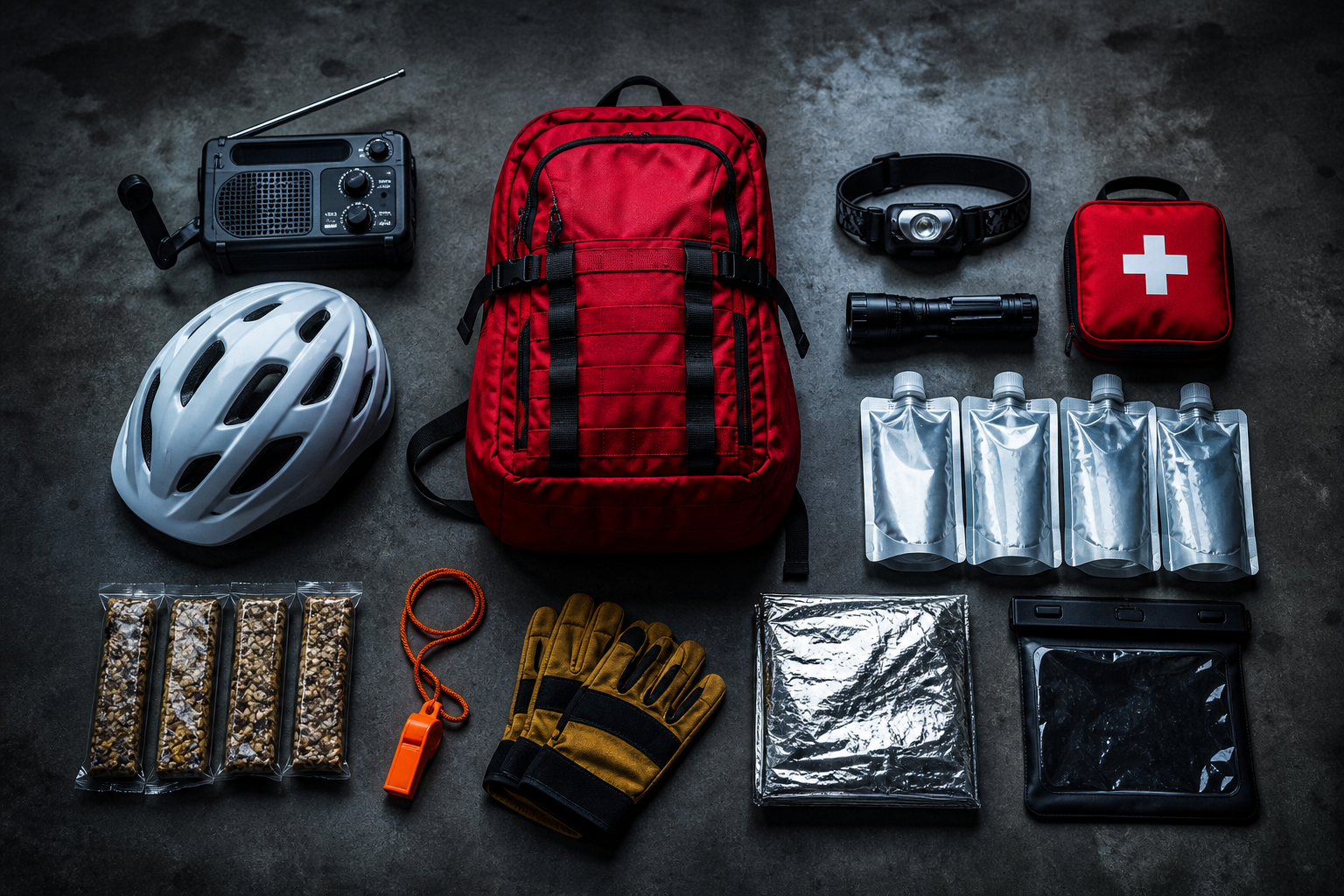
If you buy one thing on this page, make it this. Ready America builds a kit specifically for tornadoes — a grab-and-go backpack with 72 hours of supplies for two people, following American Red Cross guidelines. It handles the basics in a single purchase, so the rest of this list is about upgrading around it.
The most important single item you can add. Cell networks fail during major outbreaks, and a tornado at 2 AM won't wake you — a weather radio with alarm will. Look for one with SAME county programming so it only alarms for your area.
Head injuries from flying debris are the leading cause of tornado deaths. A bike helmet, batting helmet, or hard hat dramatically improves your odds — keep them in your shelter space, not the garage.
Power is usually the first thing to go. A headlamp keeps your hands free to move debris or carry kids. Store batteries separately so they don't corrode inside.
Your phone is your lifeline for alerts, calls, and flashlight backup. A charged high-capacity power bank keeps it alive through a multi-day outage. Recharge it every few months.
FEMA recommends one gallon of water per person per day for at least three days — far more than any pre-built kit includes. Water mains often break in damaged areas. Add canned food and a manual opener for larger families.
The most overlooked item. After a tornado, you'll walk through fields of broken glass, splintered wood, and exposed nails — often in the dark. Keep old sneakers or boots and heavy gloves in your shelter spot.
The 33-piece kit in a go-bag covers scrapes; a real trauma kit with gauze, tourniquets, and gloves covers glass and debris injuries when emergency services can take hours to reach damaged neighborhoods.
Insurance policies, IDs, deeds, and medication lists — recovery goes much faster when these survive. A fireproof, waterproof pouch in the kit means you never scramble for them with minutes of warning.
Keep a few days of essential medications, a spare pair of glasses, and something small for kids (or pets — leash, carrier, food). These are the items people most regret not having in a shelter.
No kit replaces the two things that actually save lives: getting the warning in time, and knowing your shelter spot. Decide today where your family goes during a warning — the basement, or the most interior room on the lowest floor, away from windows. Then make sure a warning can reach you, including at night.
A kit only matters if you get the warning in time to use it. Tornado Path can call, text, and email you the moment the National Weather Service issues a tornado warning for your exact address — even at 2 AM.
Set Up Tornado AlertsOnce the basics are covered, these take your preparedness further:
What should be in a tornado emergency kit?
At minimum: a NOAA weather radio, helmets, flashlights, a first aid kit, a phone power bank, three days of water and food, a whistle, sturdy shoes and gloves, emergency blankets, and copies of important documents. A pre-built 72-hour kit covers the basics in one purchase; add prescription medications and supplies for kids and pets.
Where should I keep my tornado kit?
In or next to your shelter space — the basement, or the interior room on the lowest floor where you'd ride out a warning. A kit in the garage or an upstairs closet is useless when you have two minutes to take cover.
How is a tornado kit different from a general emergency kit?
Two big additions: helmets, because flying debris causes most tornado deaths, and a whistle, in case you need rescuers to find you in a collapsed structure. Tornado kits also stay in your shelter spot year-round instead of being a grab-and-go bag.
How much water do I need?
FEMA recommends one gallon per person per day for at least three days — that covers drinking and basic sanitation while crews restore service to damaged areas.